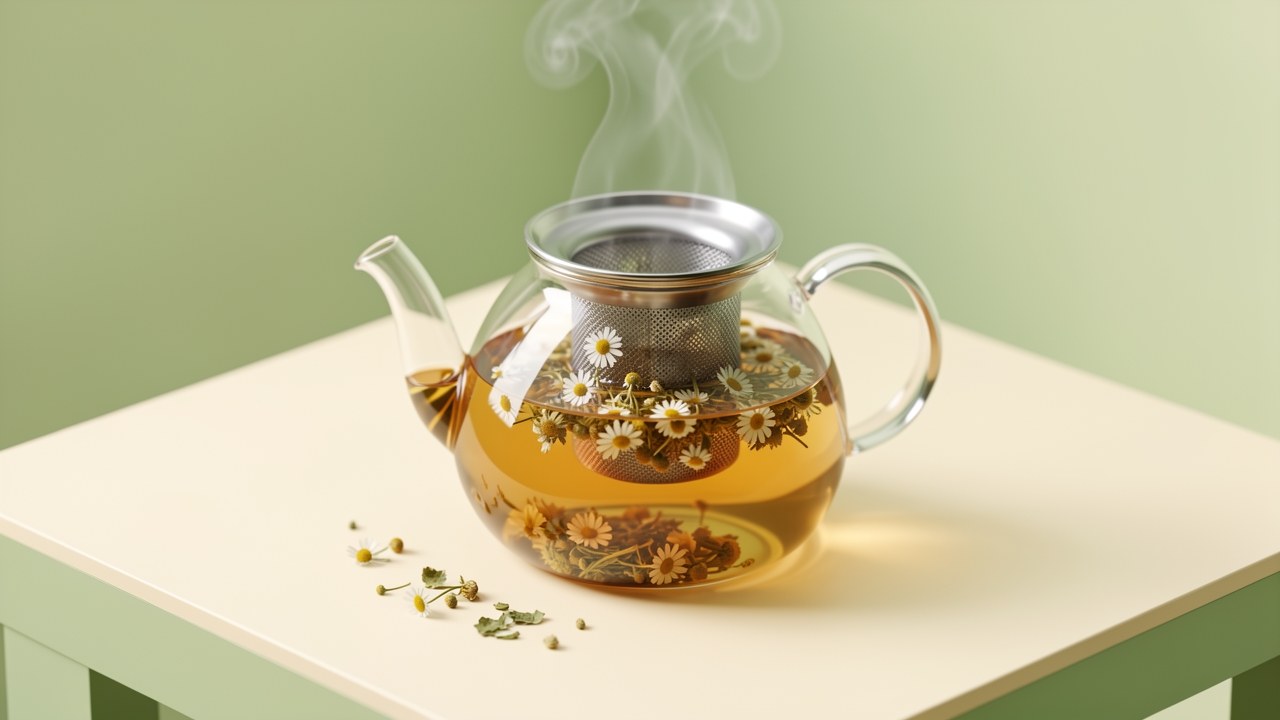
herbal tea
Herbal tea — also known as a tisane — is a beverage made by steeping fruits, flowers, herbs, or spices in hot water. Unlike true teas, herbal teas do not come from the leaves of the Camellia sinensis plant. That single botanical difference affects everything from flavor to caffeine content.
True teas — including black, green, white, yellow, and oolong — all come from the same plant species, Camellia sinensis. The leaves are processed in different ways to create distinct varieties, but they all share a common botanical origin. Herbal teas, in contrast, can contain any of a wide range of plant materials, such as chamomile flowers, peppermint leaves, or ginger root.
- Herbal tea: made from herbs, spices, flowers, or fruits; naturally caffeine-free (with exceptions).
- True tea: made from Camellia sinensis leaves; contains caffeine (levels vary).
Sources: Wikipedia, The Republic of Tea, Food Science & Nutrition (Wiley)
Why Most Herbal Teas Are Caffeine Free
Because herbal teas are not made from the Camellia sinensis plant, they do not contain caffeine in their natural state. Most herbal ingredients — such as chamomile, peppermint, and lemon balm — have no caffeine at all. This makes herbal teas a popular choice for evening relaxation and for anyone who wants to limit their caffeine intake.
However, not every herbal tea is automatically caffeine-free. Some plant-based beverages that are sometimes grouped with herbal teas do contain caffeine or other stimulants. Yerba mate, for example, is a traditional South American infusion that naturally contains caffeine. Guayusa is another plant that provides caffeine. So while most herbal teas are caffeine-free, it is always wise to check the label.
- Caffeine-free herbs commonly used in tea: chamomile, peppermint, lemon balm, hibiscus, rooibos, ginger, fennel.
- Caffeine-containing plants sometimes labeled as herbal teas: yerba mate, guayusa.
Sources: Wikipedia, The Republic of Tea
How to Check Labels for Caffeine
When you buy a packaged herbal tea in the United States, the label is your main source of truth. Look for statements such as 'caffeine-free' or 'no caffeine.' These claims are typically prominent when they apply.
A few situations can complicate the picture. Some tea brands add true tea leaves to a blend to create a hybrid drink, which introduces caffeine. Other products may include added caffeine, even if they are marketed as herbal. If a tea label does not list caffeine content, and you are sensitive to caffeine, contact the manufacturer or look for a brand that explicitly states its caffeine status.
- Read the ingredient list for Camellia sinensis or terms like 'green tea' or 'black tea.'
- Look for a clear 'caffeine-free' claim on the package.
- Remember that additives or blended true tea can introduce caffeine.
- When in doubt, choose a single-herb tea with a well-known caffeine-free reputation.
Sources: Wikipedia, The Republic of Tea
Common Herbal Tea Ingredients and Their Flavors
Herbal teas offer an array of flavors — from sweet and floral to bold and spicy. Many herbs have been used for centuries not only for their taste but also for their calming properties. Here are a few common ingredients you might find in relaxation-focused blends.
- Chamomile: naturally caffeine-free, with apple-like floral notes; traditionally used for relaxation and as a sleep aid.
- Lemon balm: caffeine-free, with a mild lemony aroma; known for relaxation and stress relief.
- Valerian root: caffeine-free, with an earthy, woody taste; used traditionally to promote sleep and relaxation.
- Peppermint: caffeine-free, refreshing and minty; a common after-dinner tea.
- Hibiscus: caffeine-free, tart and fruity, with a deep red color.
- Rooibos: caffeine-free, naturally sweet with a nutty undertone.
Sources: The Republic of Tea, Food Science & Nutrition (Wiley)
Choosing an Herbal Tea for Evening Relaxation
When you want an evening brew that supports calm, look for herbs with a long history of relaxation use. Chamomile and lemon balm are gentle and widely available. Valerian root is stronger and sometimes mixed with other herbs to soften its earthy taste.
A single-herb tea is a simple starting point. You can also try a blend that combines several relaxing herbs, but read the label to confirm that every ingredient is naturally caffeine-free. If you're new to herbal tea, you might begin with a fruity or floral option like chamomile or rooibos, especially if you prefer a sweeter cup without added sugar.
- If you're sensitive to caffeine, confirm the tea is caffeine-free before buying.
- Start with a gentle herb like chamomile or lemon balm.
- If you want a more pronounced sleep-supporting effect, look for valerian root in the blend.
- Check that the tea contains only herbs — no true tea leaves and no added caffeine.
Sources: Wikipedia, The Republic of Tea, Food Science & Nutrition (Wiley)
Caffeine Content: What to Expect
Because herbal teas do not come from the tea plant, they are naturally caffeine-free. But true teas do contain caffeine. The exact amount varies based on the type of tea, how it is processed, and how it is brewed. If you enjoy a caffeinated cup in the morning but want something gentle later in the day, herbal tea is a clear alternative.
If you prefer to stick with true tea but want less caffeine, know that some true teas are lower in caffeine than others. White teas and green teas generally have less caffeine than black teas, but since the plant is the same, none are truly caffeine-free.
- Herbal infusions (most): naturally caffeine-free.
- Black tea: typically the highest caffeine among common true teas.
- Green and white teas: generally lower in caffeine than black, but still contain some.
- Yerba mate: contains caffeine — not a true tea, but not caffeine-free.
Sources: Wikipedia, The Republic of Tea
aroma differences
True teas vary in taste depending on oxidation and processing, but they share a characteristic green, vegetal, or astringent note from the tea leaf. Herbal teas, on the other hand, mirror the taste of their ingredients. Chamomile offers a soft apple-like sweetness; peppermint brings a sharp coolness; hibiscus has a bright tartness; and rooibos is naturally sweet and woody.
This variety makes herbal teas especially pleasant for evening, when you might not want the astringency of a black tea or the grassy freshness of a green tea. A fruity blend or a floral chamomile cup can be a soothing way to end the day, without any of the caffeine that comes from Camellia sinensis.
Sources: The Republic of Tea, Food Science & Nutrition (Wiley)
Which One Fits an Evening Routine?
For most people, herbal tea is the obvious choice for an evening routine because it provides a warm, comforting ritual without caffeine. True tea, even in small amounts, can interfere with sleep if you are sensitive to caffeine. Herbal infusions allow you to enjoy a cup without that concern.
If you are sensitive to caffeine and want to drink true tea, the most sensible time might be earlier in the day. But for an after-dinner brew or a pre-bedtime ritual, an herbal tea is generally a more fitting choice. Its caffeine-free nature lets you sip slowly and relax as part of your wind-down.
Sources: Wikipedia, The Republic of Tea, Food Science & Nutrition (Wiley)
Frequently asked questions
Is herbal tea really tea?
No, not in the strict botanical sense. True tea comes from the leaves of the Camellia sinensis plant. Herbal teas are made from other plant parts like flowers, roots, seeds, or fruit peels. That is why many people prefer the term 'tisane' for herbal infusions.
Sources: Wikipedia, The Republic of TeaCan herbal tea help with sleep?
Some herbal teas, such as chamomile and valerian root, have a long history of traditional use for relaxation and sleep support. However, scientific evidence for their effectiveness as sleep aids is limited. If you have ongoing sleep troubles, it is best to consult a healthcare provider.
Sources: Wikipedia, The Republic of Tea, Food Science & Nutrition (Wiley)Why is herbal tea called tisane?
The word 'tisane' comes from the French and is commonly used in Europe and other regions to describe an infusion of herbs, spices, or other plant material that does not contain tea leaves from Camellia sinensis. It is a more precise term for what many people call 'herbal tea.'
Sources: The Republic of TeaWhich true teas are lowest in caffeine?
Among true teas, white teas and green teas generally contain less caffeine than black teas, but all true teas contain some caffeine because they are made from the same plant, Camellia sinensis. The exact amount varies based on growing conditions, leaf size, and brewing time.
Sources: Wikipedia, The Republic of TeaCan I mix herbal and true teas?
Yes, you can mix herbal and true teas if you like the flavor combination. But be aware that adding true tea leaves to an herbal blend will introduce caffeine. If you want to avoid caffeine, choose a blend that contains only herbs and no Camellia sinensis leaves.
Sources: Wikipedia, The Republic of TeaDoes chamomile tea have caffeine?
No, chamomile tea is naturally caffeine-free. Chamomile is a flower, not a tea plant, and contains no caffeine. It is often chosen for evening relaxation and may help with sleep.
Sources: The Republic of Tea, Food Science & Nutrition (Wiley)Can I drink herbal tea in the evening if I'm sensitive to caffeine?
Yes, herbal tea is generally a good choice for the evening because most herbs used in these teas are naturally caffeine-free. Choose a single-herb tea like chamomile or peppermint, or check the label to ensure no true tea or added caffeine is present.
Sources: Wikipedia, The Republic of TeaWhat is the difference between herbal tea and true tea?
The main difference is the source. True tea comes from the leaves of the Camellia sinensis plant and contains caffeine. Herbal tea is an infusion made from herbs, flowers, spices, or other plants, and most herbal teas are naturally caffeine-free.
Sources: Wikipedia, The Republic of TeaSources
- Herbal tea - Wikipedia — Wikipedia
- What is Herbal Tea? – The Republic of Tea — The Republic of Tea
- Exploring the ancient roots and modern global brews of tea and herbal beverages: A comprehensive review of origins, types, health benefits, market dynamics, and future trends — Food Science & Nutrition (Wiley)