Why caution is needed with herbal teas during pregnancy
Herbal teas feel gentle, but they are not automatically risk-free during pregnancy. In the United States, herbal supplements, including teas, are not regulated by the Food and Drug Administration in the same way as drugs, so quality control is not assured and contamination is possible. That means the strength and purity of a tea can vary from batch to batch and brand to brand.
Research on most herbs in pregnancy is limited. The safety of many herbal products during pregnancy has not been established, and the evidence that does exist often comes from small or observational studies rather than large controlled trials. Fewer than one-third of pregnant women using herbal products talk with their doctors about their use, largely because they perceive them as safe, which makes it harder for providers to give personalized guidance.
- Herbal supplements and teas are not regulated like medications, so potency and purity can vary.
- Most herbs have not been studied extensively in pregnant women.
- Many pregnant women do not tell their doctors about herbal product use, so bring up any tea you are considering.
Sources: BabyCenter, Natural Cycles, Floèm
Herbal teas generally considered safe during pregnancy
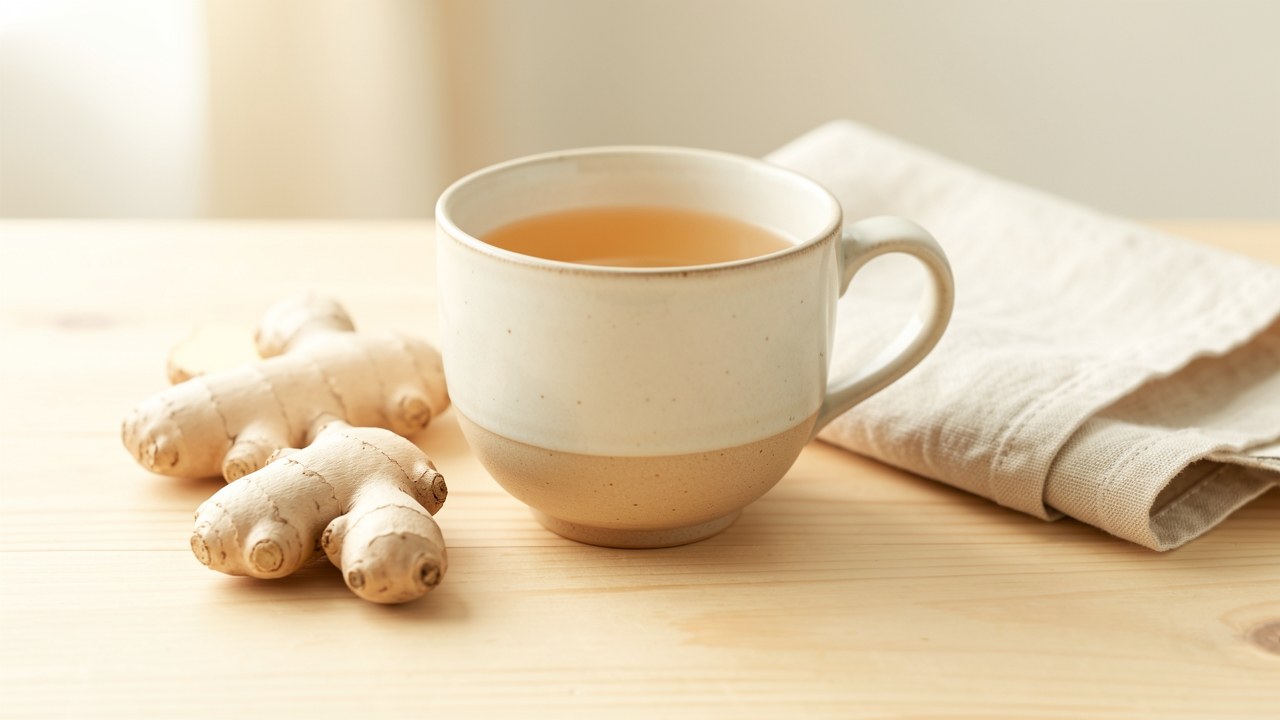
Some herbs have a longer history of use in pregnancy and are widely described as generally safe in moderation when brewed as a normal-strength tea. Ginger tea is often used to settle nausea and vomiting, and it is generally considered safe in moderate amounts, though the National Center for Complementary and Integrative Health notes that evidence of its safety is not conclusive. Peppermint tea is also generally considered safe in moderation and is often used to try to calm an upset stomach.
Rooibos is naturally caffeine-free and is often considered a safe choice during pregnancy. Lemon balm tea is listed as likely safe based on the Natural Medicines Database and has a calming effect that may help relieve irritability, insomnia, and anxiety. These are general descriptions, not a prescription for how much or how often to drink them.
- Ginger tea: generally considered safe in moderation; commonly used for nausea.
- Peppermint tea: generally considered safe in moderation; may help with digestive discomfort.
- Rooibos tea: naturally caffeine-free and often considered a safe choice.
- Lemon balm tea: listed as likely safe; traditionally used for calm and sleep.
Sources: BabyCenter, Natural Cycles, American Pregnancy Association, Nelson's Tea, Three Lollies
Herbal teas to avoid during pregnancy
Some herbs are best left out of your cup entirely while you are pregnant. Licorice root tea should be avoided because it may affect blood pressure and hormone levels and has been linked to adverse pregnancy outcomes. Pennyroyal tea should be strictly avoided because it has abortifacient characteristics. Black cohosh and blue cohosh should be avoided because they may cause uterine contractions and are used traditionally to induce labor. Dong quai should be avoided because it may stimulate the uterus.
Sage tea in high doses may lead to uterine contractions and should be avoided. Stinging nettle is listed by the Public Health Agency of Canada as not safe during pregnancy. Aloe, coltsfoot, juniper berries, comfrey, sassafras, lobelia, and senna are also listed by the Public Health Agency of Canada as not safe during pregnancy. If a blend contains any of these, skip it until you have spoken with your provider.
- Licorice root: may affect blood pressure and hormone levels.
- Pennyroyal: has abortifacient characteristics.
- Black cohosh and blue cohosh: may cause uterine contractions.
- Dong quai: may stimulate the uterus.
- Sage in high doses: may lead to uterine contractions.
- Stinging nettle, aloe, coltsfoot, juniper berries, comfrey, sassafras, lobelia, and senna: listed as not safe during pregnancy.
Sources: BabyCenter, American Pregnancy Association, Cloudnine Care, Floèm, Nelson's Tea
Common herbs in relaxation teas and their pregnancy status
Relaxation blends often combine several herbs, so it helps to know how common ingredients are viewed. Chamomile is a good example of why labels matter: one observational study of more than 600 pregnant women found that regular chamomile consumption was associated with a higher risk of preterm delivery and lower birth weight, and the National Center for Complementary and Integrative Health concludes that little is known about whether chamomile is safe during pregnancy or while breastfeeding. Some sources suggest it may be best to skip chamomile during pregnancy.
Red raspberry leaf tea is often discussed in a different context: it is sometimes recommended only after the first trimester because of its potential effects on uterine contractions, and research suggests it may shorten the length of the second stage of labor by about 10 minutes, though that finding is preliminary. Peppermint tea is generally considered safe in moderation but may worsen heartburn. Lemon balm and rooibos are usually described as likely safe or safe choices.
| Herb | Safety status | Common use in pregnancy | Key caution |
|---|---|---|---|
| Ginger tea | Generally considered safe in moderation; NCCIH says evidence of safety is not conclusive | Relieve nausea and morning sickness | Possible association with abnormal spotting or bleeding in later trimesters |
| Peppermint tea | Generally considered safe in moderation | Relieve digestive discomfort and nausea | May worsen heartburn |
| Chamomile tea | Sources disagree: some suggest skipping; NCCIH says little is known | Calming and sleep aid | Regular consumption was associated with higher risk of preterm delivery and lower birth weight in one observational study |
| Lemon balm tea | Listed as likely safe based on the Natural Medicines Database | Calming effect; may relieve irritability, insomnia, and anxiety | |
| Rooibos tea | Naturally caffeine-free and often considered a safe choice | Caffeine-free hydration | |
| Red raspberry leaf tea | Often recommended only after the first trimester due to effects on uterine contractions | Traditional use to tone the uterus and prepare for labor | May promote uterine contractions; avoid in early pregnancy |
| Licorice root tea | Should be avoided | Not recommended | May affect blood pressure and hormone levels; linked to adverse pregnancy outcomes |
| Pennyroyal tea | Strictly avoid | Not recommended | Has abortifacient characteristics |
Sources: BabyCenter, Natural Cycles, American Pregnancy Association, Healthline, Cloudnine Care, Nelson's Tea, Three Lollies
Consult Your Provider
Pre-packaged herbal tea blends can carry harmless-sounding names while including a contraindicated herb. Checking the ingredient list is one of the most practical steps you can take. Look for the full botanical name of each herb, not just the common name, and be cautious with blends that list several herbs you do not recognize. If a blend contains an herb from the avoid list above, set it aside.
Before adding herbal teas to your diet during pregnancy, consult with your healthcare provider to ensure the teas align with your health needs and pregnancy stage. Some herbs may cause allergic reactions or interact with medications, so bring your full medication list to the conversation. Your provider can also help you think about caffeine: the American College of Obstetricians and Gynecologists recommends keeping caffeine intake to less than 200 milligrams per day during pregnancy, and a cup of black tea has almost 50 milligrams while a cup of green tea has about 25 milligrams, though these values vary with leaf type, brewing time, and steep strength.
- Read the full ingredient list and look for botanical names.
- Skip blends that include any herb on the avoid list.
- Tell your provider about all teas, supplements, and medications you use.
- Keep total caffeine under 200 milligrams per day if you also drink caffeinated tea.
Sources: BabyCenter, Floèm, Nelson's Tea, Three Lollies
Symptom-specific soothing options commonly used in pregnancy
Different discomforts lead to different cups. For nausea and morning sickness, ginger tea is the most commonly discussed option; it is generally considered safe in moderate amounts, and one study that included more than 1,000 women found no increased risk for complications among babies of women who consumed ginger during pregnancy. That said, the National Center for Complementary and Integrative Health states that evidence of ginger's safety is not conclusive, and some evidence has shown an association with abnormal spotting or bleeding when consumed regularly in the second and third trimesters.
For an upset stomach or digestive discomfort, peppermint tea is often used, though studies supporting its use for morning sickness are lacking and it has been linked to heartburn, which is already common in pregnancy. For calm and sleep, lemon balm tea is listed as likely safe and may help with irritability, insomnia, and anxiety. Rooibos is a caffeine-free option for general hydration. If a symptom is severe or persistent, that is a signal to contact your provider rather than to self-treat with tea.
- Nausea: ginger tea is commonly used; moderation and provider input matter.
- Upset stomach: peppermint tea is generally considered safe in moderation but may worsen heartburn.
- Calm and sleep: lemon balm tea is listed as likely safe.
- Caffeine-free hydration: rooibos tea is often considered a safe choice.
Sources: BabyCenter, Natural Cycles, American Pregnancy Association, Nelson's Tea, Three Lollies
Frequently asked questions
Is chamomile tea safe during pregnancy?
The evidence is mixed. The National Center for Complementary and Integrative Health concludes that little is known about whether chamomile is safe during pregnancy or while breastfeeding. One observational study of more than 600 pregnant women found that regular chamomile consumption was associated with a higher risk of preterm delivery and lower birth weight. Some guidance suggests it may be best to skip chamomile during pregnancy. If you are considering it, talk with your healthcare provider first.
Sources: BabyCenterCan I drink peppermint tea while pregnant?
Peppermint tea is generally considered safe during pregnancy and is often used to try to calm an upset stomach. Keep in mind that studies supporting peppermint tea for morning sickness are lacking, and it has been linked to heartburn, which is a common problem in pregnancy. Moderation and a quick check with your provider are reasonable steps.
Sources: BabyCenter, American Pregnancy AssociationHow much herbal tea is safe per day during pregnancy?
There is no single daily amount that applies to every herb or every pregnancy. Sources describe several herbs, such as ginger, peppermint, and rooibos, as generally safe in moderation, but moderation is not defined by a fixed number of cups. Because the safety of many herbal products during pregnancy has not been established, your healthcare provider is the best person to help you set a limit based on your health history and stage of pregnancy.
Sources: BabyCenter, Natural Cycles, Floèm, Nelson's TeaIs lavender tea safe during pregnancy?
The sources in this guide do not provide a clear safety classification for lavender tea during pregnancy. Because the safety of many herbal products in pregnancy has not been established, treat lavender as an herb to discuss with your healthcare provider before drinking it regularly.
Sources: Natural Cycles, FloèmShould I avoid lemon balm during pregnancy?
Lemon balm tea is listed as likely safe based on the Natural Medicines Database, and it has a calming effect that may help relieve irritability, insomnia, and anxiety. No specific caution was reported in the sources used for this guide, but as with any herb, check with your provider before adding it to your routine.
Sources: American Pregnancy Association, Nelson's TeaSources
- Which teas are safe to drink while pregnant? — BabyCenter
- Pregnancy Safe Teas: Which Teas Are Safe To Drink? — Natural Cycles
- Herbal Tea in Pregnancy: Safe Varieties & Risks | APA — American Pregnancy Association
- Herbs & Pregnancy: Safe vs. Unsafe Supplements | APA — American Pregnancy Association
- Is Tea Safe During Pregnancy? — Healthline
- Is Tea Safe During Pregnancy? Risks, Teas to Avoid — Cloudnine Care
- Can I drink herbal tea when I am pregnant or during pregnancy? — Floèm
- What Teas Are Safe to Drink While Pregnant? - Nelson's Tea — Nelson's Tea
- Best Teas for Relaxing in Pregnancy — Three Lollies