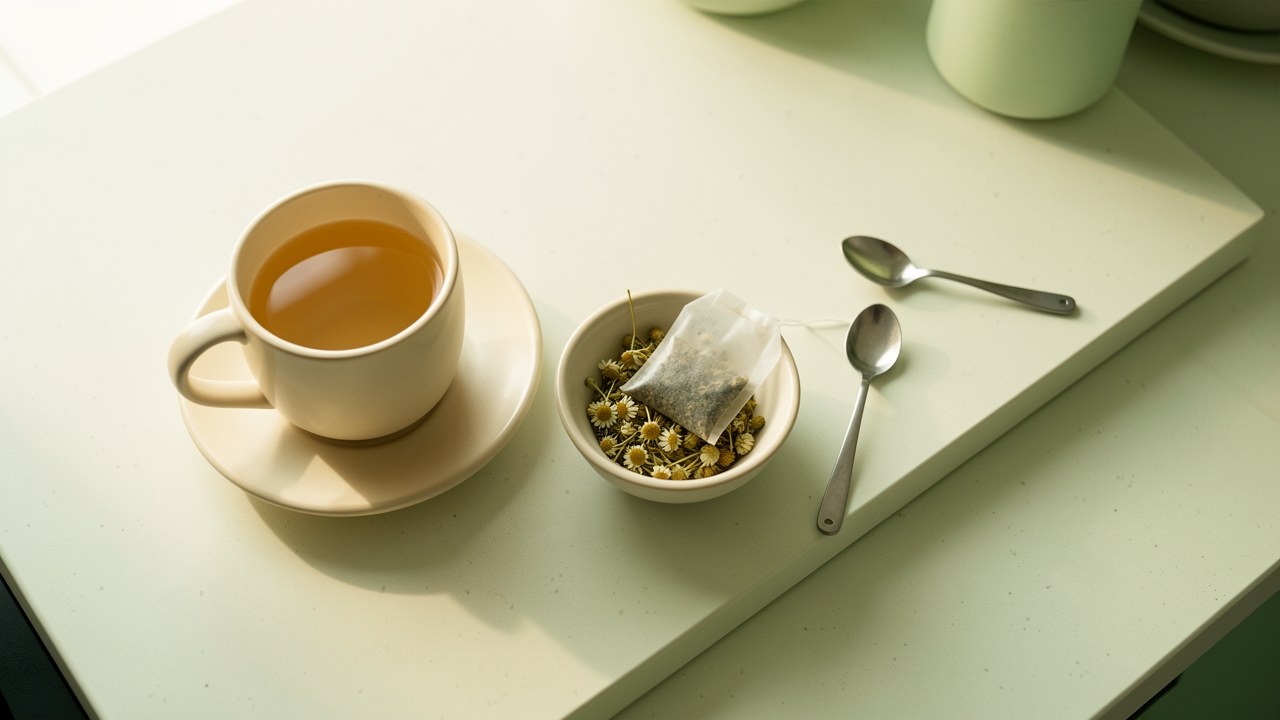
What is herbal tea?
Herbal tea is not tea in the strict botanical sense. True tea comes from the leaves of a single plant species, Camellia sinensis. Herbal tea, sometimes called an infusion or tisane, is any hot-water infusion made from plant material other than Camellia sinensis.
That plant material can include dried flowers, leaves, roots, fruits, seeds, or spices. This broad definition means the flavor and character of herbal tea vary widely, from delicate floral cups to tart fruity brews and earthy root blends.
- True tea: made from Camellia sinensis (black, green, white, oolong).
- Herbal tea: made from other plants such as chamomile, peppermint, lavender, or ginger.
- Because the ingredient list is so open, herbal tea is a category rather than a single drink.
Sources: Numi Tea, Shari's Tea, Remedy's Nutrition
Why herbal tea for relaxation?
Most herbal infusions are naturally caffeine-free, which makes them a common choice for an evening or bedtime routine. For beginners, that is often the main appeal: a warm drink that does not interfere with winding down.
Certain herbs, including chamomile, lavender, valerian root, lemon balm, and peppermint, are frequently associated with relaxation or bedtime tea traditions. Their role in a routine is usually about the experience—the warmth, the aroma, and the pause—rather than a medicinal effect.
Keep in mind that a package labeled herbal is not automatically caffeine-free. Blends that add true tea, or infusions made from yerba mate, guayusa, or yaupon, can contain caffeine from those ingredients.
- Caffeine-free by nature: most herbal infusions, unless blended with a caffeine-containing plant.
- Traditional evening herbs: chamomile, lavender, and valerian root are often named for bedtime.
- Ritual value: the act of brewing and sipping can signal that the day is winding down.
Sources: Numi Tea, Mark T. Wendell Tea Company, Remedy's Nutrition, University of Illinois Extension
How to choose your first herbal tea
Starting with herbal tea is largely about personal taste. If you prefer mild, gentle flavors, chamomile is a common first choice. Its flavor is often described as delicate floral with a subtle apple-like sweetness, and it is traditionally consumed before bedtime.
If you enjoy a more aromatic cup, lavender offers a floral and lightly herbaceous character. It is often included in bedtime blends, and its aroma may help create a calm atmosphere. Peppermint delivers a refreshing, cooling mint flavor; it is caffeine-free and versatile, though not traditionally sleep-focused.
When shopping, read the ingredient list rather than relying on the word herbal on the front of the package. If you want an evening cup, check that none of the ingredients is true tea or a caffeine-containing herb such as yerba mate, guayusa, or yaupon.
| Herb | Flavor profile | Typical evening role | Brewing guideline |
|---|---|---|---|
| Chamomile | Delicate floral with subtle apple-like sweetness | Often consumed before bedtime for relaxation | 2 tsp dried flowers in boiling water, 5+ minutes |
| Lavender | Floral and lightly herbaceous | Included in bedtime blends; aroma may help create a calm atmosphere | 1 tsp dried (or 2 tsp fresh) in boiling water, 3–5 minutes |
| Peppermint | Refreshing and cooling mint | Caffeine-free and versatile, though not traditionally sleep-focused | Not specified |
Sources: University of Illinois Extension, Mark T. Wendell Tea Company, Remedy's Nutrition
What you need to brew
You do not need a cupboard full of equipment. A few basic tools are enough for your first cup of herbal tea.
- A kettle or pot to heat water.
- A tea infuser, strainer, or tea ball to hold the herbs.
- A mug or cup you enjoy drinking from.
Sources: Shari's Tea
Basic brewing steps
The exact amount and steeping time vary by herb, but beginner guides offer a simple starting point you can adjust to taste.
- Heat water to near boiling. Herbal infusions are commonly brewed with water close to boiling temperature.
- Measure about one teaspoon of dried herbs per cup of water. Some beginner guides suggest up to one tablespoon per cup, so use this as a starting range and adjust.
- Place the herbs in your infuser or strainer, or add them directly to the cup if you will strain them out later.
- Pour the hot water over the herbs.
- Steep for about 5 to 10 minutes. Chamomile and lavender are sometimes steeped for slightly shorter times as noted in their specific guidelines.
- Remove the herbs and taste. If the flavor is weaker than you like, steep a little longer next time. Over-steeping can make herbal tea bitter, so keep an eye on the clock.
Sources: Shari's Tea, Remedy's Nutrition, Serenity Tea House & Cafe, University of Illinois Extension
How to make it a ritual
Turning a cup of herbal tea into a calming ritual is less about ceremony and more about consistency. Choose a time in the evening when you can slow down, and let the preparation itself become part of the wind-down.
A simple approach is to use the brewing time as a pause: while the tea steeps, put away your phone, dim the lights, or take a few slow breaths. The sensory experience—warmth, aroma, and flavor—is the main event.
- Pick a recurring time, such as after dinner or an hour before bed.
- Keep your supplies where you can reach them easily.
- Treat the steep as a short break rather than a task to rush.
Sources: University of Illinois Extension, Mark T. Wendell Tea Company
Safety notes for beginners
Herbal tea is generally treated as a food or beverage, but a few sensible precautions are worth knowing. If you are pregnant, nursing, taking medication, or managing a health condition, talk with a qualified healthcare provider before making herbal teas a regular habit, especially with herbs like valerian root.
Check the ingredient list if caffeine matters to you. A product labeled herbal may still contain caffeine from added true tea or from herbs such as yerba mate, guayusa, or yaupon. If you are watching your caffeine intake, choose single-ingredient herbal teas you can verify.
This guide is about enjoying herbal tea as part of a calm evening routine. It is not medical advice, and the herbs discussed here are presented for their traditional and sensory roles rather than as treatments for any condition.
Sources: Remedy's Nutrition, University of Illinois Extension
Frequently asked questions
Is herbal tea really caffeine-free?
Most herbal infusions are naturally caffeine-free. However, a package labeled herbal is not automatically caffeine-free. Blends that add true tea from Camellia sinensis, as well as infusions of yerba mate, guayusa, or yaupon, contain caffeine. If caffeine matters for your evening routine, read the ingredient list and choose single-ingredient herbs you can verify.
Sources: Numi Tea, Remedy's NutritionWhat is the best herbal tea for a beginner?
There is no single best choice—taste is personal. Chamomile is a common first herbal tea because its flavor is often described as delicate floral with a subtle apple-like sweetness, and it is traditionally consumed before bedtime. Lavender offers a floral, lightly herbaceous cup often used in bedtime blends. Peppermint is refreshing and cooling, and while it is caffeine-free and versatile, it is not traditionally sleep-focused. Starting with a single herb lets you learn what you enjoy before trying blends.
Sources: University of Illinois Extension, Mark T. Wendell Tea CompanyCan I mix different herbs together?
Yes, blending herbs is common. A frequently cited calming combination pairs lavender with chamomile for bedtime. If you are new to herbal tea, start with small amounts of each herb so you can taste how they work together and adjust the ratio next time. Keep in mind that if you are pregnant, nursing, taking medication, or managing a health condition, it is wise to check with a qualified healthcare provider before regularly drinking multi-herb blends.
Sources: Shari's Tea, Mark T. Wendell Tea Company, Numi TeaSources
- The Ultimate Guide to Herbal Teas: Benefits and Best Practices – Numi Tea — Numi Tea
- Herbal teas for relaxation | ILRiverHort - Illinois Extension — University of Illinois Extension
- A Beginner's Guide to Brewing Herbal Tea – Shari's Tea — Shari's Tea
- 7 Best Herbal Teas for Relaxation, Sleep, and Stress Relief — Mark T. Wendell Tea Company
- Herbal Teas: Complete Beginner's Guide (Evidence-Based) — Remedy's Nutrition
- Exploring Different Types of Herbal Teas: A Guide from Your Favorite Herbal Tea Store — Serenity Tea House & Cafe — Serenity Tea House & Cafe